Creating a Cat-Friendly Home: Litter Boxes, Scratching Areas, and Safe Spaces
A cat-friendly home is not a theme park. It is a layout where a cat can eat, drink, scratch, toilet, climb, rest, and hide without crossing a gauntlet. Furniture you already own can do much of that work if you place it with the cat’s paths in mind. The goal is fewer conflicts with people and with other animals, not a showroom of unused cat trees.
This guide covers litter boxes, scratching areas, and safe spaces for indoor cats in typical US homes and apartments. It complements cat care basics and the slow process in introducing a new cat.
Map the home from a cat’s point of view
Walk each room and ask where a cat would feel trapped. Dead-end hallways, a litter box beside a booming dryer, and a food bowl in a busy doorway all create pressure. Cats prefer to see who is coming. They also prefer not to eat next to where they eliminate. Separating those stations is one of the highest-value changes you can make.
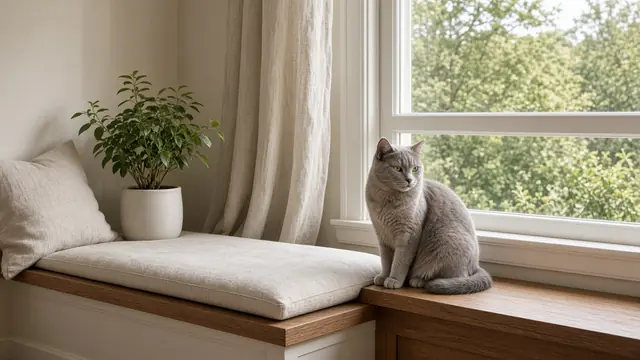
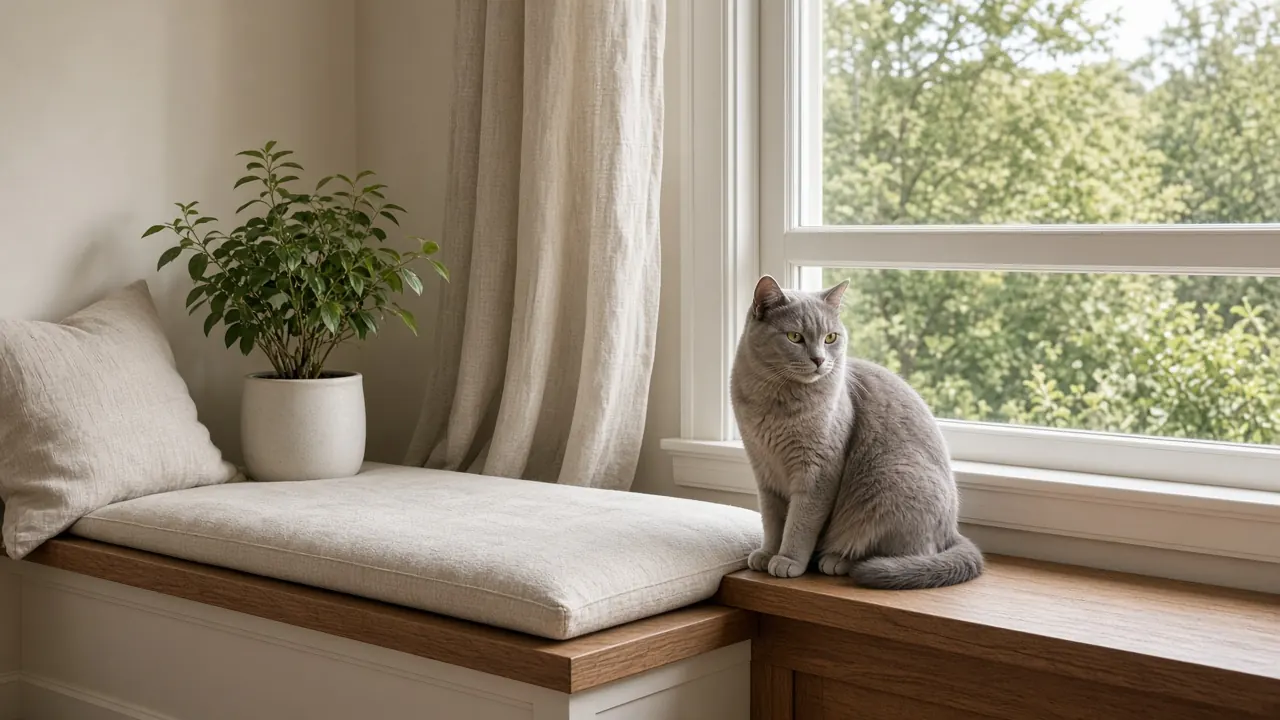
Windows are valuable if they are secure. A screen that cannot pop out, no toxic plants on the sill, and no cords that loop like toys will keep the view from becoming a hazard. See household hazards for poisons, strings, and other indoor risks.
Litter boxes that get used
A working guideline many feline clinicians share is one box per cat, plus one extra, placed in different locations so a single bully cannot guard them all. Large unscented clumping litter is a common starting point; the “right” litter is the one your cat uses. Sudden refusal often means the box is dirty, the location changed, a new scented litter appeared, or the cat feels pain while posturing—reasons to call a veterinarian rather than to buy a scolding spray.
Boxes should be easy to enter. High-sided storage totes help with kicking litter but can be hard on older cats unless you cut a low doorway. Scoop at least daily. Completely empty and wash boxes on a schedule you can keep, using mild unscented soap and a full dry before refilling.
Scratching that belongs somewhere on purpose
Place scratching posts where the cat already stretches: near a favorite nap spot or along a hallway path. Vertical sisal posts should be tall and steady enough that they do not topple mid-scratch. Horizontal cardboard scratchers suit cats who prefer that motion. If the sofa is winning, put a legal scratcher directly in front of the target for a while rather than across the room.
Nail caps or regular trims are optional tools some owners use; they are not a substitute for scratching surfaces, because scratching is also communication and stretching. If you trim nails, take tiny amounts and stop if the cat is distressed. A clinic or groomer can demonstrate.
Safe spaces and vertical territory
A safe space is a spot the cat can enter and other household members, including dogs and toddlers, will not reach into. That might be a spare room with a baby gate that a cat can jump, a high shelf with a sturdy step up, or a covered bed on a bookcase. Teach children that a cat who goes there is finished socializing for now.
Vertical space—a tree, a refrigerator top with a stable access route, a window hammock rated for the cat’s weight—lets a nervous cat observe without hovering on the floor. In multi-cat homes, more than one elevated route reduces bottlenecks on the stairs.
Resource spread in shared homes
Give each cat a reason not to pass a rival: separate water bowls, more than one scratching station, and beds in more than one room. Feed cats far enough apart that they do not have to stare at each other unless they clearly choose to. Parallel play with two wand toys can be friendlier than one toy that becomes a prize fight.
Common mistakes
- Hiding the only litter box in a dark basement the cat must bravely descend to use.
- Choosing a wobbly post that scares the cat on first use.
- Forcing cuddles in the “safe” space, which un-saves it.
- Using scented cleaners that linger in the box area.
- Assuming a climbing cat cannot also get into the dryer, the reclining chair mechanism, or a window screen.
A weekend setup checklist
- Place boxes, food, and water in separate, quiet, visible spots.
- Add at least one sturdy scratcher where stretching already happens.
- Create one elevated rest and one hiding spot.
- Walk cords, lilies, and string toys out of unsupervised reach.
- Show every human which spots are off-limits to reaching hands.
Conclusion
Creating a cat-friendly home is mostly furniture with a purpose: clean boxes that are easy to find, scratchers that stand still, and rooms that offer both a view and an exit. Spread resources, protect retreats, and watch how the cat actually moves before you buy another accessory. When the layout makes sense, many behavior arguments shrink into simpler questions about play, health, and whether there are enough boxes to go around.
Renters and small spaces
You do not need permission to place a litter box in a bathroom or to add a window perch that uses no drilling, but you do need stability. A tree that rocks will not be used. In a studio, use furniture you already have: the top of a sturdy wardrobe, a shelf the cat can reach via a chair, and a box beside the sofa. Place the box as far from the kitchen as the floor plan allows, even if that distance is only a few yards.
If a landlord restricts furniture, focus on the variables you control completely: scooping, extra scratchers, closed windows with secure screens, and a closed-door safe room during parties or repairs.
Sources and further reading
- Cat owner resources - American Association of Feline Practitioners
- Cat care - The Humane Society of the United States
- Pets and animals: pet care resources - American Veterinary Medical Association
Platform interfaces and policies change. Treat official documentation as the current reference, and read our editorial policy and disclaimer.