Pet-Safe Homes: Household Hazards Every Pet Owner Should Review
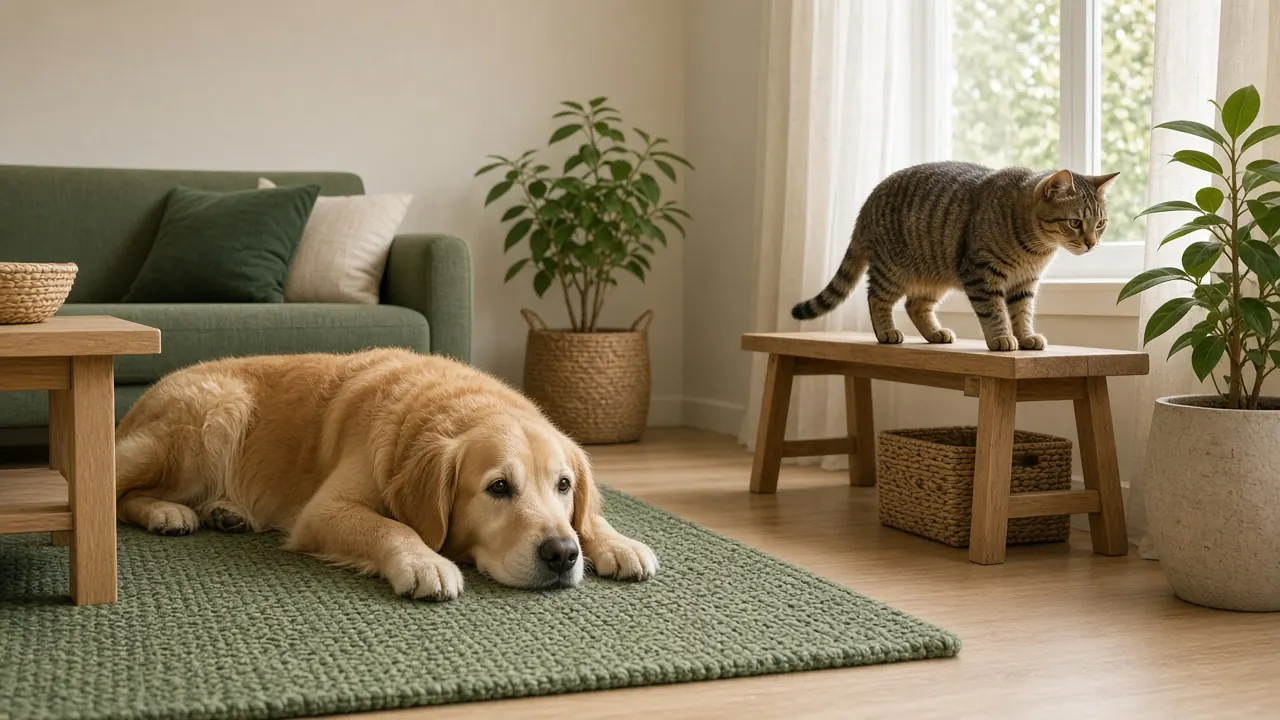
Most homes are designed for human convenience, not for an animal who can jump onto a counter or swallow something in one gulp. A pet-safe review is a walk-through: kitchen, bathroom, laundry, garage, yard, and holiday decorations. You will not remove every risk from life, and this article does not try to frighten you into bubble-wrapping the sofa. You can, however, move the most common dangers out of reach and know whom to call if something still goes wrong.
If you think a pet has been poisoned or is in distress—trouble breathing, collapse, repeated vomiting, seizures—contact a veterinarian or an animal poison-control resource immediately. The ASPCA Animal Poison Control Center publishes public education and contact information for urgent questions. Do not wait for a household checklist to finish itself.
Kitchen and dining
Secure trash. Many dogs consider the bin a buffet. Keep chocolate, xylitol-sweetened gums and baked goods, grapes, raisins, onions, garlic, and alcohol out of reach. The ASPCA maintains educational lists of people foods that are dangerous for pets; use those lists rather than a rumor from social media. Compost bins and takeout bags on a low table count as food, too.
Medications on counters, including ibuprofen and acetaminophen, cause serious poisonings. Child-resistant caps are not pet-resistant. Store human and veterinary medicines separately so you do not mix them up in a hurry.
Bathroom, laundry, and cleaning cupboard
Close toilet lids if your pets drink from them or could fall in. Put away denture tablets, drop-in bowl cleaners, and contact lens solutions. Laundry pods look like toys. Dryer doors should not stay open for a napping cat. Liquid detergents, bleach, and concentrated essential oils can harm pets who walk through spills and then groom their paws.
If you use rodent bait or insecticides, read the labels and ask your veterinarian how to keep pets away. “Pet safe” marketing language is not a substitute for storing chemicals behind a latch.
Living rooms, plants, and strings
Houseplants vary widely in toxicity. Lilies are a well-known, severe risk for cats even in small amounts of pollen or water; many feline clinicians advise keeping true lilies out of homes with cats entirely. The ASPCA’s toxic and non-toxic plant lists are a practical checking tool before you bring home a new plant. When in doubt, put the plant in a room the pet cannot enter.
Yarn, rubber bands, hair ties, tinsel, and dental floss can cause intestinal damage if swallowed, especially in cats. Needles and thread are an emergency, not a wait-and-see object. Secure window cords and blinds. Check that screens cannot pop out at a height a cat uses as a perch.
Garage, yard, and cars
Antifreeze has a sweet taste and is dangerous; clean spills and store containers high. Fertilizers, cocoa mulch, and slug baits can be attractive and harmful. Some outdoor compost piles contain molds or foods that should not be eaten. Walk the fence line for gaps. In the car, pets should not ride loose, and they should never be left in a closed vehicle that can heat rapidly. See seasonal pet care and travel planning.
A room-by-room weekend review
- Kitchen: trash, foods, medicines, cleaning sprays, loose twist ties.
- Bath and laundry: pods, tablets, open dryer, hanging cords.
- Living areas: plants, strings, coins, batteries, small toys.
- Home office: sugar-free gum, cables, shredded pens.
- Garage and yard: chemicals, sharp tools, insecure gates, standing water.
- Sleeping areas: accessible nightstand pills and earplugs.
Common mistakes
- Thinking a previously trustworthy dog will not counter-surf a new food.
- Leaving guest purses with medications on the floor.
- Assuming indoor-only cats cannot reach a bouquet on a table.
- Using essential-oil diffusers without checking species safety.
- Delaying a poison call because the pet “seems okay for now.”
After a scare
If you know what was swallowed, bring the packaging to the call or the clinic. Do not induce vomiting unless a veterinarian or poison specialist tells you to do it, because some substances cause more damage on the way back up. Keep the ASPCA poison-control page and your clinic’s number in your phone before you need them.
Conclusion
Pet-safe homes are maintained, not finished. Walk the rooms at pet height, latch the chemicals, treat plants and human foods as questions rather than decorations, and pick up the strings. Pair this review with the calmer first-week plans in bringing home a new dog or a cat-friendly layout. Prevention will not catch every incident, which is why a stored phone number matters as much as a childproof latch.
Guests, holidays, and hired help
People who do not live with your pet will set bags on the floor, toss food, and leave gates open. Give guests a one-sentence briefing: where the pet should not be fed, which door must stay closed, and that medications belong on a high shelf. If a cleaner or contractor is coming, close pets in a safe room with water and litter rather than hoping they will avoid open chemicals and propped doors.
After any gathering, walk the floors at pet height before you go to bed. The most dangerous leftovers are often the ones you did not serve on purpose.
Sources and further reading
- Animal Poison Control - ASPCA
- People foods to avoid feeding your pets - ASPCA
- Toxic and non-toxic plants - ASPCA
- Healthy Pets, Healthy People - CDC
Platform interfaces and policies change. Treat official documentation as the current reference, and read our editorial policy and disclaimer.