Bringing Home a New Dog: A First-Week Preparation Checklist
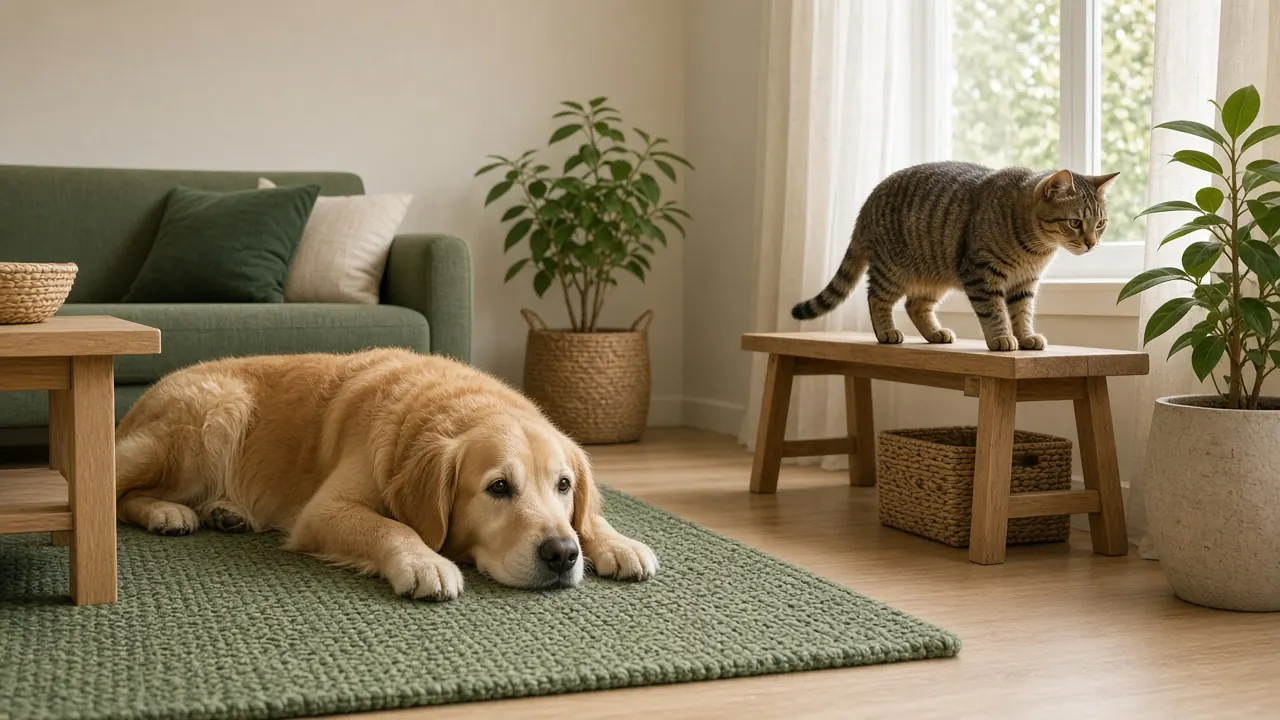
The first week in a new home is less of a party and more of a landing. A dog who has just left a shelter, a breeder, a rescue foster, or another household is processing new smells, floors, voices, and rules. Owners sometimes try to compensate with extra outings, extra guests, and extra toys. A quieter first week usually teaches the dog more about safety than a packed social calendar.
This checklist covers preparation before arrival and a calmer plan for days one through seven. It is written for US households bringing home a puppy or an adult dog. It does not replace the paperwork or medical instructions you received, and it does not diagnose illness that can appear after a stressful move.
Before the dog arrives
Choose a veterinary clinic and save its number, including any advertised after-hours process. Dog-proof the rooms the dog will actually use during week one rather than the whole house at once. Secure trash, foods that are unsafe for pets, medicines, and loose wires. Details live in household hazards.
Set up water, a bed or crate, and a toilet route that does not require navigating a maze of extension cords. If other pets already live with you, plan separate resources—bowls, beds, and an ability to close a door—so nobody has to compete on night one. Introductions can wait until the new dog has slept and eaten.
- Leash, ID tag, and a collar or harness that fits the dog you are picking up.
- The food the dog has already been eating, or a plan to transition slowly if a change is necessary.
- Waste bags, enzyme cleaner, and towels.
- A crate or gate if you intend to use one, introduced as a resting space.
- A written outline of who handles morning and evening outings.
Arrival day
Keep the car ride as uneventful as you can. Use a crate or a dog seat-belt harness rather than letting a loose dog become a projectile. For broader travel notes, see traveling with dogs and cats.
Once home, take the dog to the toilet area before a house tour. Offer water. Let the dog explore one or two rooms rather than every closet. Decline a parade of neighbors for the first evening. The dog’s job that night is to learn where sleep happens and that the new people come back after they leave a room.
Days two through four: shrink the world, then widen it
Keep walks short and local if the dog is not fully vaccinated or is clearly overwhelmed; your veterinarian can advise what is appropriate for that animal’s vaccine status. Practice name recognition with a cheerful voice and a small food reward you already know agrees with the dog’s stomach. Begin handling exercises: touch a paw, pause, reward. Those minutes pay off later during grooming.
House training starts immediately. Go out after waking, after meals, after play, and before bed. If an accident happens, clean it and review whether you waited too long, not whether the dog is “stubborn.”
Days five through seven: add one new thing
If the dog is eating, sleeping, and beginning to toilet outside, add one modest novelty: a slightly longer sniff walk, a guest who sits quietly, or a short car ride to nowhere in particular so the car does not only predict the clinic. Do not add all three. Watch for shutting down, hiding, or frantic mouthing, which often mean the week has been too full.
If you have resident pets, use gates and scent swapping rather than a face-to-face meeting in a narrow hallway. End introductions while everyone is still able to walk away. A trainer experienced with multi-dog homes can help if you see stiff, frozen, or hard-staring body language that you do not know how to read.
Food transitions and stomachs
Stress plus a sudden food change is a common recipe for diarrhea. If you must switch foods, do it gradually by mixing increasing amounts of the new food over several days, unless a veterinarian has told you to change immediately for a medical reason. Keep a simple log of meals and stool quality during week one so you are not relying on memory later.
Common mistakes
- Hosting a welcome party the first night.
- Allowing children to hug a frightened dog because the moment looks cute.
- Correcting growls without asking what the dog was trying to say. A growl is information; suppressing it without changing the situation can remove a warning.
- Waiting to find a veterinarian until something is already wrong.
- Comparing the dog’s first-week behavior with social-media montages of “perfect” adoptions.
Health watch
New-home stress can reveal coughs, loose stool, or appetite dips. Some issues are brief; others need a clinician. Coughing that persists, repeated vomiting, lethargy, bloated appearance, or trouble urinating deserve prompt veterinary attention. If you suspect poisoning, contact a veterinarian or animal poison control rather than searching forums.
A first-week checklist you can reprint
- Proof the rooms in use and set water, bed, and toilet route.
- Confirm veterinary contact details.
- Keep visitor numbers low.
- Repeat the same outing and meal times, written down if that helps. Try the planner.
- Handle paws and collar for a few seconds daily.
- Introduce other pets slowly, with an exit for everyone.
- Call the clinic if eating, drinking, or energy falls off in a way that worries you.
Conclusion
A new dog does not need a highlight reel. The first week is successful if the animal learns where to sleep, where to toilet, who brings food, and that the home gets quieter rather than louder as the days pass. Prepare the space, protect rest, add novelty one piece at a time, and keep a veterinarian within reach. The relationship you want in month three is built in these ordinary hours.
What “settling in” can look like
Some dogs sleep heavily the first two days and then become more curious. Others vocalize at night or follow people from room to room. Neither pattern by itself diagnoses a problem. Watch whether the dog can eventually rest, eat, and go outside to toilet. If panting, pacing, or crying never eases, or if the dog will not eat at all, call the clinic that has agreed to see you rather than adding more stimulation to “tire them out.”
Identification should be on the dog before the first walk: a tag with your phone number, and a microchip check if one was already placed. A new environment is a common time for a slip out the door. Practice clipping the leash on indoors so the first sidewalk outing is not also the first handling battle.
Sources and further reading
- Pets and animals: pet care resources - American Veterinary Medical Association
- Dog care - The Humane Society of the United States
- Owning a pet - American Animal Hospital Association
Platform interfaces and policies change. Treat official documentation as the current reference, and read our editorial policy and disclaimer.