Dog Grooming Basics: Brushing, Bathing, Nail Care, and Coat Maintenance
Home grooming is how you keep a dog’s coat comfortable and how you notice ticks, mats, lumps, or sore skin before they become a crisis. It does not require a salon setup. It does require a few minutes of regular handling so that brushing, baths, and nail care are not rare, wrestling-match events.
This guide covers brushing, bathing, nail care, and everyday coat maintenance for typical US pet dogs. Coat type changes the details—a double-coated shepherd is not a smooth beagle—but the habits are similar. Painful skin, severe matting, nails that have grown into pads, and ear problems belong with a veterinarian or an experienced groomer, not with a longer bath at home.
Brushing as the foundation
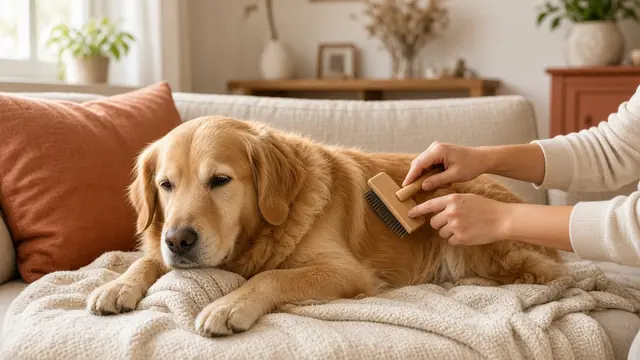
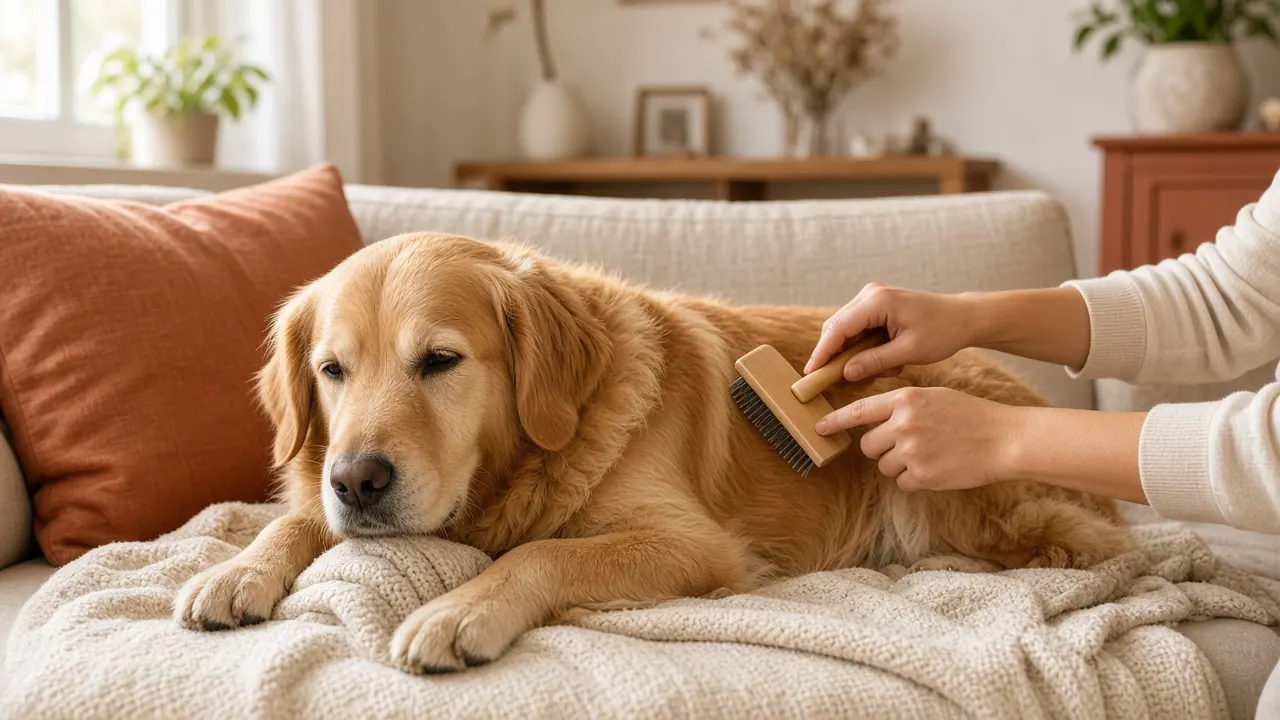
Brushing removes loose hair, distributes skin oils, and lets you look at the skin. Choose a tool that matches the coat: a rubber curry or hound glove for many short coats, a pin or slicker brush and comb for longer or denser coats. Work in the direction of hair growth. Lift sections on thick coats so you are not polishing the surface while a mat forms underneath.
Short, frequent sessions beat occasional marathons. Pair brushing with something the dog likes, and stop before the dog is done with you. If you find a mat you cannot work out gently with fingers and a comb, do not cut toward the skin with household scissors. A groomer or veterinarian can remove mats more safely.
Baths when they are actually needed
Dogs do not need a human-style shower schedule. Bath when the dog is dirty, smelly, or as advised for a skin condition—not because a calendar said so. Use lukewarm water and a shampoo labeled for dogs unless a veterinarian has prescribed something else. Human shampoo is a poor default because skin pH and coat needs differ.
Rinse until the coat feels clean, not slippery. A leftover film can itch. Dry with towels and, if the dog tolerates it, a dryer on a cool or warm—not hot—setting. Keep the dog out of drafts until the coat is dry, especially in cold weather. For more on weather, see seasonal pet care.
Nails, paws, and ears
Long nails change how a dog stands and can catch on carpet. If you can hear clicking on hard floors, it is time to look. Trim tiny amounts more often, or use a grinder if that is easier for you, and avoid the pink quick in light nails. On dark nails, take less and stop if you see a gray or pink oval starting to appear. Styptic powder is useful if you nick the quick. If you are not comfortable, a groomer or clinic can do nails while you practice handling at home.
Look between pads for ice-melting products, foxtails, or gum. Wipe paws after walks in winter salt or summer sidewalk grit. For ears, glance at the visible flap and opening. Do not pack cotton swabs down the canal. Discharge, odor, or head shaking is a veterinary conversation.
Teeth and everyday hygiene
Dental disease is common and easy to miss if you only look at the tail end of the dog. If your veterinarian recommends tooth brushing, they can show you a toothpaste meant for dogs and a way to start at the lips rather than forcing a full brush on day one. Do not use human toothpaste. Professional dental care, when recommended, is a clinical procedure—not something to improvise with household tools.
A sample home routine
A household with a medium-coated dog might brush for five minutes twice a week, check paws after muddy walks, glance at ears weekly, and bathe only when the dog rolled in something unfortunate. They book nails on a regular cadence either at home or professionally. They practice chin rests and paw lifts during evening television so the handling itself is familiar. Those minutes belong on a daily or weekly routine as much as walks do.
Common mistakes
- Waiting until the coat is a single felted mat, then trying to save it in one night.
- Using human hair products or essential-oil blends that were not recommended for dogs.
- Bathing constantly for odor that is actually coming from teeth, ears, or skin disease.
- Pinning a frightened dog down “to get it over with,” which makes the next session harder.
- Ignoring hot spots, hair loss, or relentless scratching instead of calling a clinic.
When to get professional help
Book a groomer or ask your clinic for a referral if the coat is severely tangled, if the dog cannot be handled safely at home, or if you need a sanitary trim you cannot do well. See a veterinarian if the skin is red, smelly, bumpy, or painful, or if the dog cries when you touch a paw or the mouth. Grooming should not require ignoring pain.
Conclusion
Dog grooming basics are mostly attention: brush often enough to see the skin, bathe when dirt or a clinician calls for it, keep nails from clicking into awkward postures, and handle the dog in small friendly sessions all year. Pair the work with a broader home-care routine so it is not an emergency project. Comfortable dogs are easier to live with, and early discoveries are easier for a veterinarian to address than surprises found under a year of untouched coat.
Different coats, same habit
Smooth coats still shed and still hide ticks. Wire coats can look tidy on top while tangles form near the armpits. Hair that grows continuously, as in some terrier or poodle mixes, may need professional trimming on a repeating schedule that you should not invent from a photo. Ask a groomer to show you which areas mat first on your particular dog so home sessions target those spots.
After swimming or rain, dry the ears’ visible surfaces and the dense fur between toes. Moisture left in tight places is a reason some dogs start licking or shaking later in the day.
Sources and further reading
- Pets and animals: pet care resources - American Veterinary Medical Association
- Dog care - The Humane Society of the United States
- Owning a pet - American Animal Hospital Association
Platform interfaces and policies change. Treat official documentation as the current reference, and read our editorial policy and disclaimer.