Building a Daily Routine for Dogs: Feeding, Walks, Play, and Rest
Dogs are experts at noticing patterns. If breakfast, a walk, and lights-out tend to happen in the same order, many dogs relax because the day becomes readable. If those events jump around wildly, some dogs become restless, vocal, or opportunistic about trash and counters. A daily routine is not a military timetable. It is a set of predictable anchors that still leave room for a late meeting or a rainy morning.
This article explains how to build a routine around feeding, walks, play, and rest without pretending there is one correct schedule for every breed or household. Use it as a planning worksheet. Your veterinarian remains the right person to adjust meals or activity when a medical condition is involved.
Start with anchors, not with an ideal chart
Pick three to five events that will happen almost every day: morning toilet break, meals, a main walk or yard session, a play or training window, and an evening wind-down. Write the times you can keep on a workday, not the times you wish you had. A plan that assumes a one-hour midday hike will collapse for someone who works across town.
Once those anchors exist, fill gaps with quieter activities: chewing a long-lasting item you have already confirmed is appropriate, sniffing in the yard, or napping in a crate or bed. The daily pet routine planner can sort owner-entered activities by time so you can see whether the day is front-loaded or missing rest.
A weekday sketch
A remote worker with an adult medium dog might use a pattern like this: a short outing at 7:00, breakfast after the dog comes back inside, a mid-morning five-minute training game, a longer sniffy walk at lunch, independent rest while afternoon meetings happen, play or a second walk in the early evening, dinner, and a last toilet break before bed. None of those times are magic. What matters is that Tuesday resembles Wednesday closely enough for the dog to predict what comes next.
Feeding inside a routine
Meals work well as markers. Many adult dogs do fine with morning and evening feedings spaced so the dog is not asked to wait an extreme number of hours overnight or through a long workday. Puppies, tiny dogs, and dogs with medical needs may need a different pattern; ask the veterinarian who knows that animal.
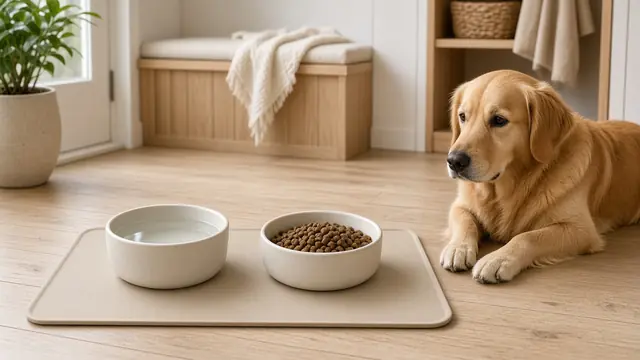
Place meals after a toilet break when you can, and avoid free-feeding from an always-full bowl if that makes it harder to notice appetite changes. Appetite is information. For label reading and water habits, see fresh water and feeding routines.
Walks that match the dog you have
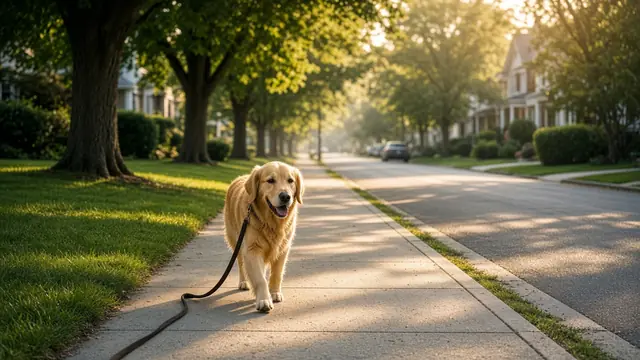
Walks serve several jobs: toileting, muscle use, sniffing, and practicing polite leashed behavior. A neighborhood loop can do all four if you allow sniffing instead of marching like a drill team. Young, athletic dogs may need more movement, but “more” does not automatically mean a forced long run on pavement. Heat, ice, and age all change what is kind. Seasonal details are in seasonal pet care.
If a full walk is impossible some days, say so in the plan and substitute a yard session, indoor sniffing game, or short training practice rather than skipping every form of outlet. Dogs that receive no legal way to work their brains often invent illegal ones involving shoes.
Play and enrichment windows
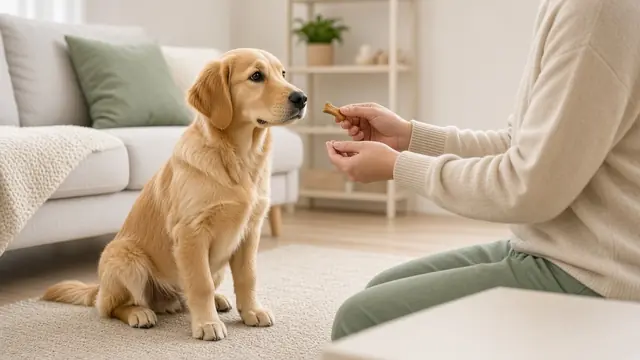
Play is most useful when it has a beginning and an end. Five to ten minutes of tug with a “drop” cue, a hide-and-seek game with a person, or a scatter of kibble in a snuffle-style towel can tire a dog mentally without turning the living room into a nonstop carnival. Save high-excitement play for times you can help the dog come back down afterward with a chew or a bed.
Dog enrichment at home lists other low-cost options. Rotate them so the same puzzle does not become wallpaper.
Protect rest as carefully as you plan walks
Many adult dogs sleep a large portion of the day. That is not laziness; it is biology. Children, doorbells, and open floor plans can interrupt rest so often that a dog never quite settles. Teach household members that a dog on a bed or in a crate with a quiet cue is off-duty. Puppies need even more protected naps, or they become bitey and frantic for reasons that look like “bad behavior” and are actually exhaustion.
House training and the daily clock
A routine is the backbone of house training. Take the dog out after waking, after meals, after play, and before bed. Praise outdoor success. Clean indoor accidents with a product meant to remove odor rather than a scented spray that merely covers it. Punishment after the fact teaches the dog to hide from you, not to understand the yard.
Common mistakes
- Building a weekend routine that a weekday cannot support, then feeling the dog has “regressed” every Monday.
- Stacking exercise, visitors, and a bath on the same evening and calling the resulting chaos a mystery.
- Changing walk length dramatically from day to day without a weather or health reason.
- Using the routine as a guilt machine. Life will interrupt it. Resume the anchors instead of abandoning the whole plan.
Adjusting without starting over
When work hours change or daylight shifts, move one anchor at a time. Shift dinner by twenty minutes for a few days before you also move the last walk. Dogs notice gradual edits more easily than a full redesign. If drinking, urination, or energy changes along with the schedule, mention that to a veterinarian; it may not be “just the clocks.”
Conclusion
A good daily routine for a dog is a readable story: meals, movement, mental work, and real rest, in an order your household can repeat. Write the version you can keep, put it where you can see it, and revise it as the dog ages. The point is not perfection. The point is that Thursday morning already makes sense to the animal waiting by the door.
Households with irregular hours
Shift workers and students cannot pretend every day starts at 7 a.m. In those homes, keep the order of events even when the clock moves: toilet, meal, a rest period, a walk, play, another meal, last toilet. A dog can learn “after breakfast we rest” even if breakfast slides by two hours. What is harder is skipping the walk entirely on workdays and doubling it on days off until the dog is sore or frantic.
If several people share care, write the anchors where everyone can see them. The planner is optional; a note on the fridge works. The dog notices the follow-through more than the handwriting.
Sources and further reading
- Pets and animals: pet care resources - American Veterinary Medical Association
- Dog care - The Humane Society of the United States
- Healthy Pets, Healthy People - CDC
Platform interfaces and policies change. Treat official documentation as the current reference, and read our editorial policy and disclaimer.