Seasonal Pet Care: Preparing Dogs and Cats for Hot and Cold Weather
Weather changes the job of pet care even when the pet never travels farther than the backyard. Hot pavement, closed cars, winter salt, short days, and holiday foods all create seasonal problems that have little to do with a pet’s personality. US climates vary from humid summers to deep cold, so you will need to translate these ideas to your own zip code rather than follow a single national calendar.
This guide explains practical adjustments for heat and cold, plus notes for storms and holidays. It is not a first-aid course. Heatstroke, frostbite, and poisoning remain veterinary emergencies. The AVMA publishes public warm-weather and cold-weather safety pages that are worth reading alongside your clinic’s advice.
Hot weather
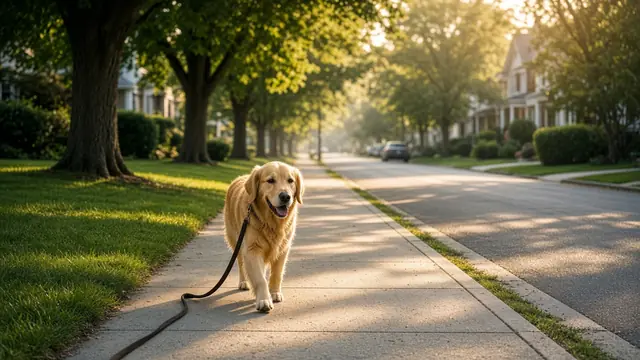
Provide shade and extra water anytime pets are outside. Limit exercise to cooler parts of the day. Asphalt and dark sidewalks can burn paws long before the air temperature feels dramatic; if you cannot hold the back of your hand on the pavement comfortably, it is too hot for a leisurely stand. Many dogs still want to fetch in heat; you are the one who has to end the game.
Never leave a pet in a closed car for a quick errand. Interior temperatures can climb quickly even on days that do not feel extreme. Indoor cats are not automatically safe from heat if they live in a space without ventilation or cooling and cannot move to a cooler room.
Watch for heavy panting, glazed looks, drooling, weakness, or collapse. Move the animal to a cooler area and contact a veterinarian. Do not invent complicated home cooling protocols that delay care.
Cold weather
Short-coated, small, very young, and senior pets often need shorter outings and, for some dogs, a sweater or coat that actually fits. Check paws for ice balls and for irritation from ice-melting products; wipe feet after walks. Provide a warm, dry resting place out of drafts. Outdoor housing, if it exists at all, must be dry, insulated, and appropriate—an open porch is not a winter kennel.
Antifreeze spills in driveways are a seasonal poisoning risk. Cats may walk through them and groom later. Store containers high and clean spills immediately.
Storms, smoke, and power cuts
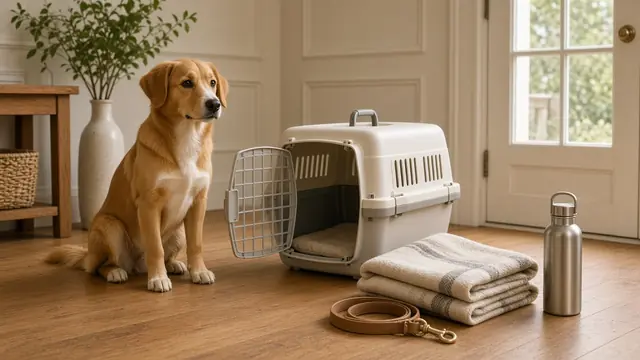
Have a carrier, leash, records, and a few days of food and medicines you can grab. The AVMA’s pet disaster resources describe planning that includes identification and a meeting place. During poor air quality, reduce outdoor exercise and watch pets with existing breathing problems more closely. If the power fails, think about temperature, not only about Wi-Fi: indoor pets can overheat or chill in a closed home.
Holidays and seasonal clutter
Holiday foods (fatty leftovers, chocolate, xylitol desserts, raisins) and decorations (tinsel, ribbons, lilies, electrical cords, liquid potpourri) create a predictable spike in clinic visits. Guest traffic can also let a door stand open. Give pets a quiet room during parties rather than hoping they will enjoy the noise. After guests leave, do a floor sweep for dropped food and ornaments.
Adjusting the everyday routine
Shift walk times with daylight and temperature. Add paw checks to the planner during winter and extra water checks during heat waves. Grooming changes too: mats hold moisture in rain and ice, and a heavily coated dog is not automatically cooler if you shave without advice—ask a groomer or veterinarian before turning a double coat into a buzz cut.
Common mistakes
- Assuming “just five minutes” in a parked car is harmless.
- Forcing a long jog because the human’s training plan did not mention humidity.
- Leaving pets outside without shelter because “they have fur.”
- Using human cold-weather products on paws without checking ingredients.
- Skipping identification because the pet “never goes out,” then opening a door during fireworks.
A seasonal bag by the door
- Waste bags and a towel for wet paws.
- Water for longer warm-weather outings.
- A backup leash and ID tag check.
- Clinic and poison-control numbers in your phone.
- A carrier or harness you have practiced using. See traveling with dogs and cats.
Conclusion
Seasonal pet care is a series of edits: cooler walk times, extra water, shorter cold outings, safer decorations, and a plan for storms. Read the AVMA’s weather pages, watch the animal in front of you rather than the calendar app, and treat heat, cold, and poisoning as reasons to call a professional instead of waiting out a hunch. The rest of the year still runs on ordinary routines; the weather just changes their timing.
Regional translation
A pet in Arizona in July and a pet in Minnesota in January need different first thoughts, but both need a human who looks at the actual day rather than the average. Local news about heat advisories, wind chill, or ice storms is part of pet care. Wildlife also changes by season: more encounters with unfamiliar animals in spring, more rodent bait in autumn barns and garages. Keep the poison-control number stored year-round.
If you move between climates, ask your veterinarian whether parasite prevention should change. Tick and mosquito seasons are not identical everywhere, and a plan from a previous city may be incomplete.
Sources and further reading
- Warm weather animal safety - American Veterinary Medical Association
- Cold weather animal safety - American Veterinary Medical Association
- Pets and disasters - American Veterinary Medical Association
- Healthy pets, healthy people - Centers for Disease Control and Prevention
Platform interfaces and policies change. Treat official documentation as the current reference, and read our editorial policy and disclaimer.