Traveling with Dogs and Cats: Planning Safer Car Trips and Outings
A car trip with a pet is a logistics problem before it is an adventure. The animal needs a way to ride restrained, a plan for heat and breaks, water, and a destination that will actually accept them. Owners sometimes discover in the parking lot that the carrier does not close, the dog has never worn a seat-belt harness, or the cat has only ever seen a carrier on the worst day of the year.
This guide covers planning safer car trips and short outings with dogs and cats. It does not cover airline rules in detail, because carriers, health certificates, and airline policies change and belong with the airline and your veterinarian. The AVMA publishes travel education that is worth reading before a long journey.
Restraints and carriers
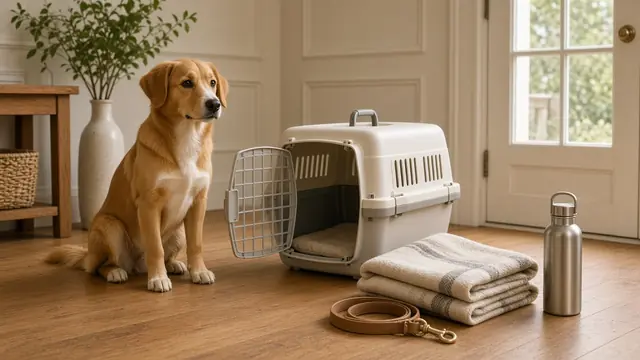
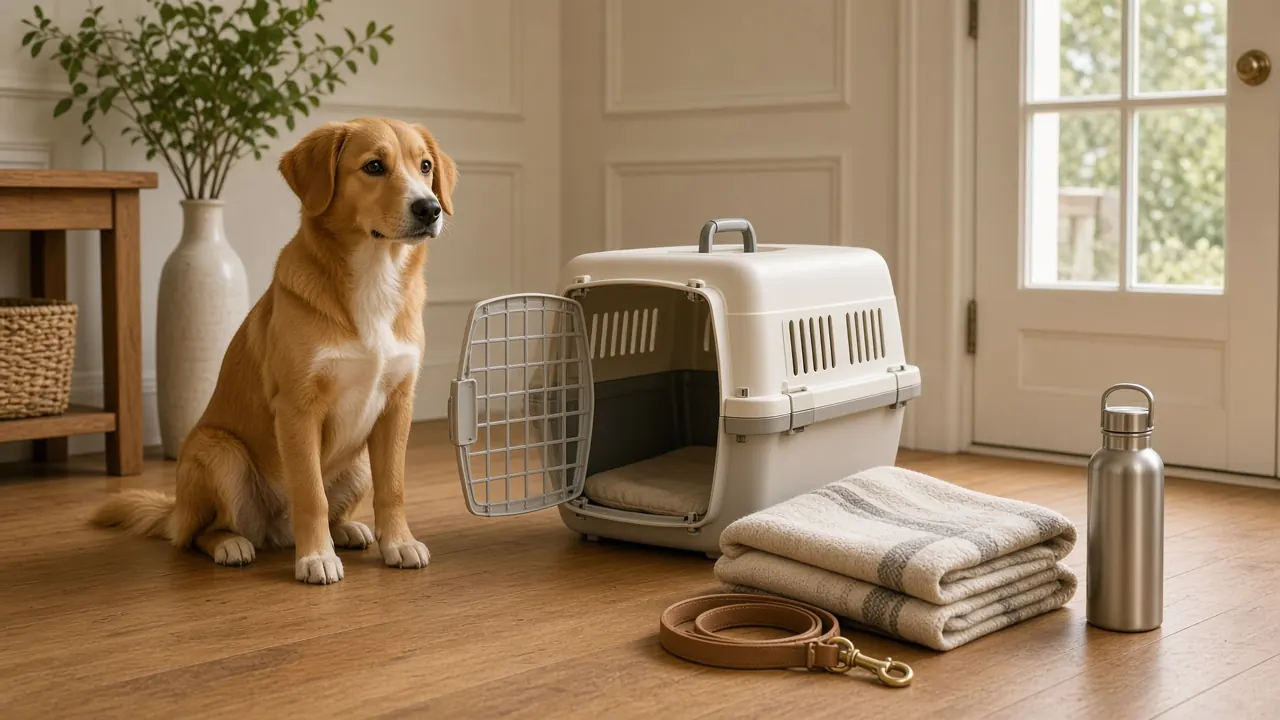
Pets should not ride loose in a cabin where they can become projectiles or interfere with the driver. Dogs may travel in a crate secured so it cannot slide, or in a harness designed for car use and attached according to its instructions. Not every harness marketed online has been crash-tested; look for clear manufacturer guidance rather than a cute pattern. Cats almost always travel more safely in a rigid carrier that closes fully and is lined with a familiar towel.
Practice before the trip. Feed meals in the carrier. Sit in a parked car with the engine off, then with it on, then take a loop around the block. A pet whose only association with the crate is the clinic will yell earlier and louder.
Temperature, water, and stops
Never leave a pet in a parked car when temperatures can climb. “I’ll only be a minute” is how many heat tragedies begin. Even mild outdoor readings can create a dangerous cabin. In cold weather, a car can also chill a small or short-coated animal if you linger with the engine off.
Bring water and a collapsible bowl. Offer breaks for dogs to toilet on a leash—unrestrained highway rest-area runs are how pets are lost. Cats generally should not roam a rest area; provide an absorbent pad in the carrier and schedule fewer, calmer stops. Wipe up motion sickness rather than scolding it, and talk to a veterinarian if vomiting is severe or routine. Do not give human motion-sickness drugs unless the clinic told you to.
Identification and records
Check that collar tags are current and that microchip numbers, if you use them, point to your real phone number. Carry vaccination records if you will board, cross certain jurisdictions, or visit a park that asks for them. For clinic trips, observation notes matter as much as the records; see preparing for a veterinary visit.
Packing without turning the back seat into a pantry
Pack the food the pet already eats, waste bags, a spare leash, medications in original packaging, and a towel. Keep human snacks that are dangerous for pets in a closed bag, not on the seat. Review household hazards if you are staying in a rental and will need to do a quick room check for lilies, sugar-free gum, or rodent bait.
Day-trip versus overnight
A ride to a trail or a family lunch should still include water and a restraint. Overnight stays add litter for cats, a consistent sleep spot, and a walk through the new space to pick up hazards. Keep the first evening quiet. A new place is already stimulation.
If you will be away without the pet, choose pet sitters or boarding with the same seriousness you would apply to child care: written instructions, veterinary authorization, and a trial stay if possible. That topic is adjacent to travel even when the pet stays home.
Common mistakes
- Opening a car door before the leash is clipped.
- Letting a cat walk around the cabin because crying is stressful to hear.
- Feeding a huge meal immediately before a winding drive.
- Assuming every hotel photo that includes a dog means your particular pet is welcome.
- Skipping climate planning because the destination “isn’t that far.”
A pre-departure checklist
- Carrier or harness practiced in advance.
- ID, records, clinic phone number.
- Water, waste supplies, regular food.
- Route planned with pet-safe breaks.
- Someone at the destination already told that a pet is coming.
Conclusion
Safer travel with dogs and cats is mostly rehearsal and restraint: a carrier that already smells like home, a plan for heat, water on hand, and identification that works if someone startles out a door. Treat the pet as a passenger who cannot buckle themselves. For everyday movement that never leaves the neighborhood, the same calm preparation used in daily dog routines and seasonal care still applies—just with a longer driveway at the beginning of the story.
Motion stress and practice miles
Some pets relax after three short practice drives; others need more time and a quieter destination than the clinic every trip. Pair the car with a simple reward when the engine turns off at home, not only after a vaccination. If anxiety is extreme—howling the entire ride, trying to escape, drooling rivers—ask the veterinarian about options rather than stacking gadgets. Do not borrow another person’s leftover sedation.
For hiking or outdoor day trips, check temperature, water sources, and whether dogs are actually allowed on the trail you had in mind. Wildlife, livestock, and other dogs all change what a loose “friendly” pet should be doing, which is staying leashed unless a space clearly says otherwise and you have reliable recall.
Sources and further reading
- Traveling with your pet - American Veterinary Medical Association
- Warm weather animal safety - American Veterinary Medical Association
- Healthy pets, healthy people - Centers for Disease Control and Prevention
Platform interfaces and policies change. Treat official documentation as the current reference, and read our editorial policy and disclaimer.