Preparing for a Veterinary Visit: Questions, Records, and Observations
A veterinary visit goes more smoothly when you arrive with observations instead of impressions. “She seems off” is a start. “She has eaten half her breakfast for three days, drank more water, and used the litter box twice as often at night” is something a clinician can use. Preparation will not diagnose the problem, and it will not replace the exam, but it can save time you would otherwise spend reconstructing the week in the parking lot.
This guide covers questions to consider, records to bring, and ways to make the trip less stressful for dogs and cats. It does not tell you which tests your pet needs. Those decisions belong to the veterinary team after they have seen the animal.
Write down what you have actually seen
Note appetite, water intake if you can estimate it, vomiting, diarrhea or constipation, coughing, sneezing, itching, lumps, limping, and behavior changes such as hiding or restlessness. Include when each started and whether it is getting better, worse, or staying the same. For cats, litter-box location and straining matter as much as stool quality. For dogs, mention if stairs suddenly became hard.
If you have photos or a short video of a cough, a lameness, or a seizure-like event, bring them. Many problems politely disappear in the exam room.
Records and products
Bring prior records if you are new to the clinic, or ask that they be transferred ahead of time. Carry a list of everything the pet eats, including treats, chews, supplements, and flea or heartworm products, with brand names if you have them. Guessing “the purple chew” wastes minutes. If another clinic or an emergency hospital was involved recently, say so up front.
Know your pharmacy details if you already use one, and know whether anyone else in the home gives treats that the primary caregiver forgets to mention.
Questions worth asking
- What are we watching for at home after this visit?
- Which changes should make us call back today versus at the next checkup?
- How should we give any recommended treatment, and what should we do if we miss a dose? (Follow the clinic’s instructions; do not invent a replacement plan from an article.)
- When should we return, and what is the plan if we cannot afford every optional test at once?
- Who do we contact after hours?
Write answers down. Waiting-room nerves erase details. The AAHA and AVMA publish general pet-owner education about wellness care; those pages can help you understand why preventive visits exist, but your own clinician’s advice comes first.
Making the trip itself kinder
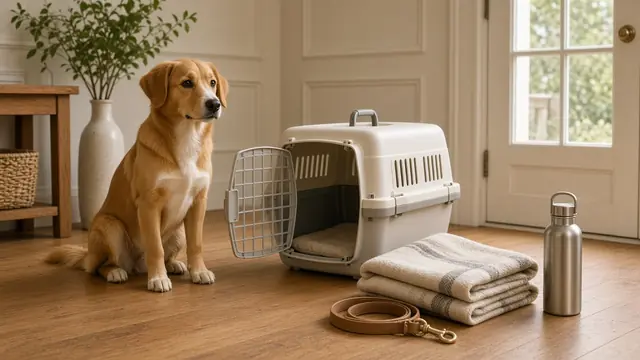
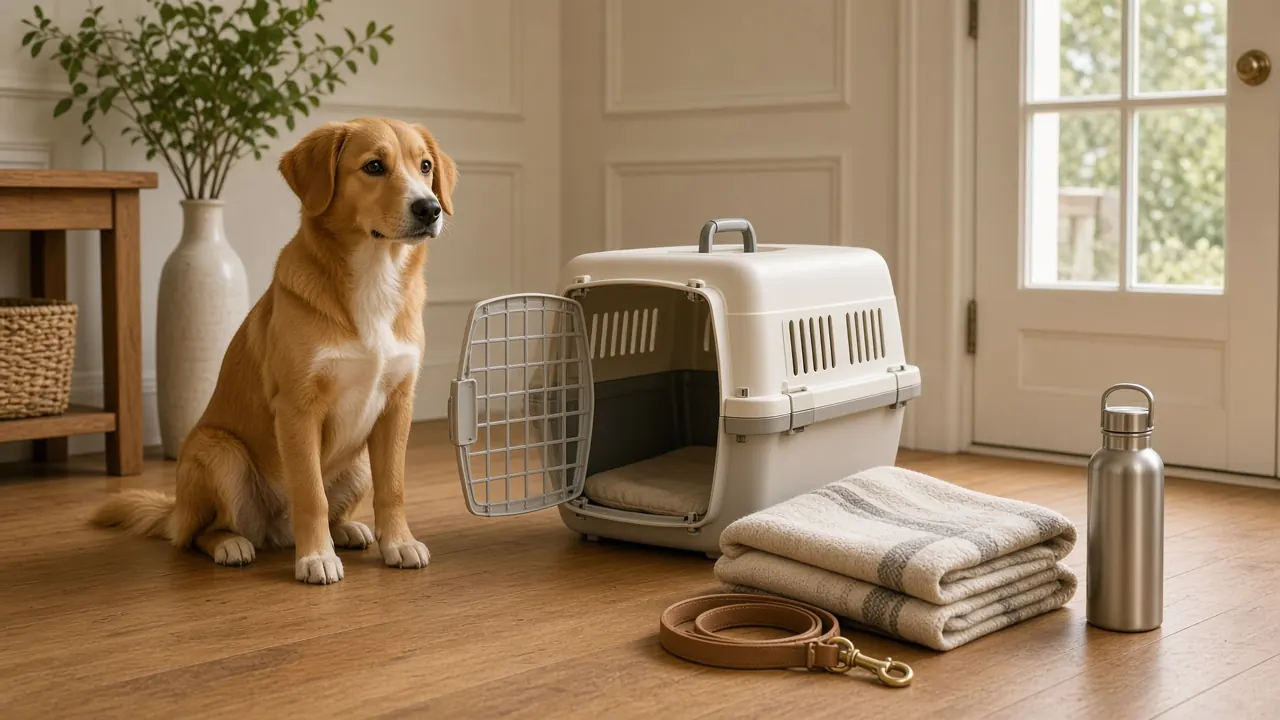
Leave the carrier out days in advance so it is furniture, not a trap. For cats, a familiar towel with home scent helps. Covering part of the carrier in the waiting room can reduce visual flood. For dogs, a short toilet walk before you go inside prevents an accident in the lobby and lets the dog shake off some excitement.
Use a secure leash or carrier in the parking lot. Do not let dogs greet every other patient; some animals in the lobby are painful or fearful. If your pet is fearful of veterinary handling, tell the team when you book the appointment so they can plan more time or a different flow. Some clinics offer techniques for lower-stress visits; ask what they recommend rather than sedating at home without instruction.
Car safety matters on the way there. A loose pet can interfere with driving. See traveling with dogs and cats.
After you get home
Store any new instructions on the fridge and in your phone. Note the next due date for preventive care. Watch the pet as directed; if something worries you sooner, call rather than waiting for the follow-up because you do not want to “bother” the clinic. That is what the follow-up guidance is for.
Common mistakes
- Arriving without a list and then remembering the important symptom in the car ride home.
- Fasting or not fasting a pet based on an internet rule without checking the appointment type.
- Letting a cat roam loose in the car “to relax.”
- Withholding that you already tried an over-the-counter product.
- Comparing your pet’s visit to a neighbor’s bill item by item as if the animals had the same exam.
A packing list
- Pet, on a leash or in a carrier you have tested.
- Observation notes and videos.
- Medication and food list.
- Payment method the clinic accepts, if you know it.
- Questions written in advance.
Conclusion
Preparing for a veterinary visit is mostly documentation and logistics: what changed, what the pet eats, how you will transport them safely, and which questions you do not want to forget. Pair those notes with everyday observation you already practice in dog care basics or cat care basics. A prepared owner does not diagnose. A prepared owner makes it easier for the people who can.
Money and decision-making
Ask the clinic how they prefer to discuss estimates. You can say in advance that you want options ranked by urgency. That is not an unreasonable request, and it prevents the feeling that you are making a financial decision while also trying to hold a carrier still. If cost will delay care, say so early so the team can help you choose a first step rather than an all-or-nothing plan you cannot start.
Bring a second adult if you can when decisions may be complicated, so one person can listen while the other comforts the pet.
Sources and further reading
- Owning a pet - American Animal Hospital Association
- Pets and animals: pet care resources - American Veterinary Medical Association
- Healthy pets, healthy people - Centers for Disease Control and Prevention
Platform interfaces and policies change. Treat official documentation as the current reference, and read our editorial policy and disclaimer.