Cat Care Basics: Understanding the Needs of Indoor Cats
Indoor cats depend on their people for nearly every resource: food, water, litter, scratching surfaces, play, and safe places to rest. That dependence is easy to underestimate because cats can look self-contained. In a quiet apartment, a cat may spend long stretches sleeping and then become lively at dusk. The job of a caregiver is to make the environment readable and to notice when eating, drinking, or litter habits change.
This guide explains the ordinary needs of indoor cats for US owners, including first-time guardians. It is educational, not a diagnosis chart. Cats hide discomfort well. A veterinarian is the right partner for weight changes, litter-box avoidance, increased thirst, or a cat that suddenly hides for days.
What indoor life should provide
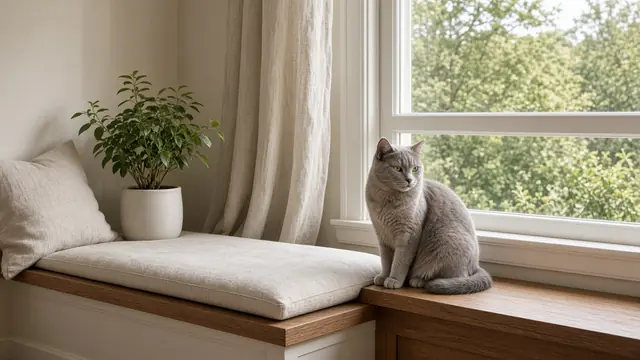
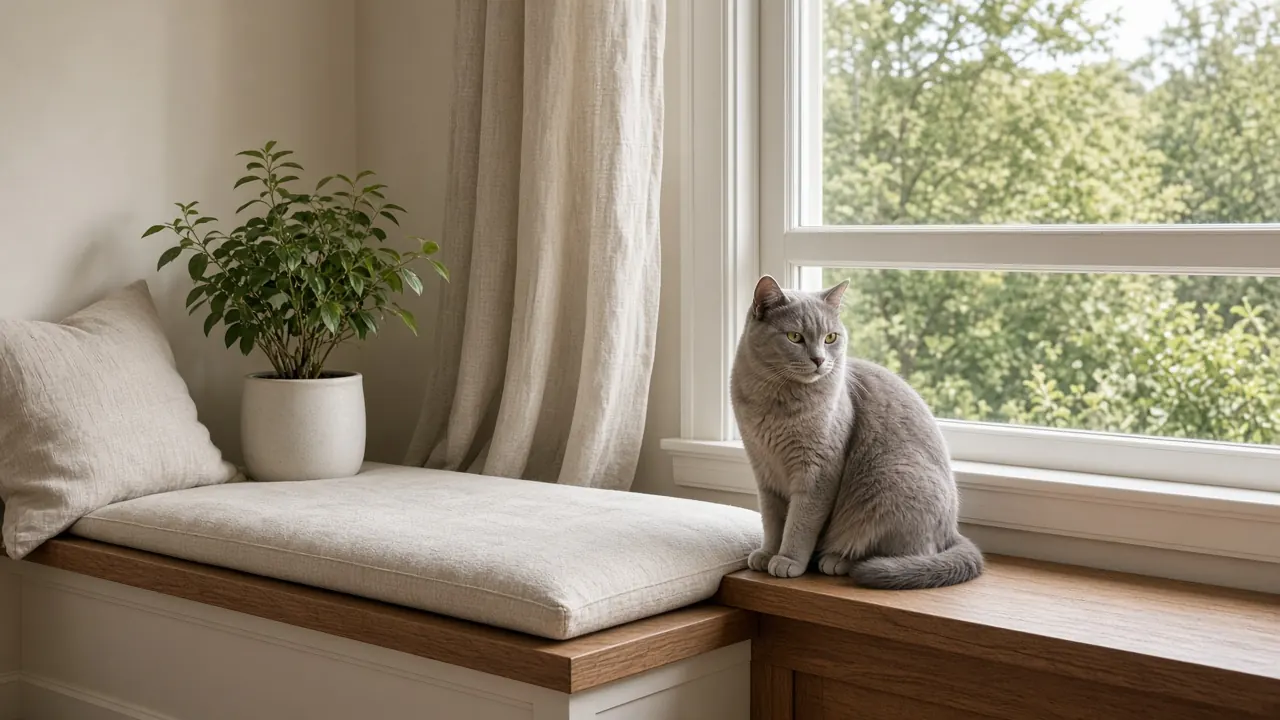
Think in terms of resources rather than decorations. A cat typically needs clean litter that is easy to reach, fresh water, meals that do not turn into a daily mystery, scratching options that feel good on the paws, resting spots at different heights, and regular chances to stalk and pounce. The American Association of Feline Practitioners and many feline-focused clinics emphasize giving cats control: hiding places, vertical space, and the ability to get away from household bustle.
Multiple cats need more than one of each key resource, placed in different areas, so a confident cat cannot sit on the only litter box or the only water bowl. “They share just fine” is sometimes true and sometimes a polite description of one cat giving up.
Litter, scratching, and territory
Litter boxes should be scooped daily and washed on a regular cadence. Many households do well with one box per cat, plus one extra, in quiet locations that are not next to noisy appliances. Covered boxes help some humans and bother some cats; watch what your cat actually uses. For setup details, see creating a cat-friendly home.
Scratching is maintenance, not spite. It sheds claw sheaths and marks territory. Provide sturdy posts with a texture the cat likes—sisal, cardboard, or carpet remnants—and place them where the cat already wants to scratch, often near a sleeping spot. Punishing scratching teaches the cat to scratch when you are not looking.
Food, water, and body condition
Indoor cats can gain weight easily if meals are unlimited and play is rare. Measured meals, puzzle feeding, and play that mimics a hunt can help, but any diet change for a cat—especially a cat with medical issues—should be discussed with a veterinarian. Cats who stop eating can become seriously ill; a cat that refuses food for more than a short period needs clinical advice rather than a new flavor experiment.
Offer water in a clean bowl away from the litter box. Some cats prefer a wide bowl or a fountain; others do not. Increased drinking can be medically important. Read feeding and water routines for household habits, and pet food labels when you are staring at a bag in the aisle.
Play, rest, and the indoor day
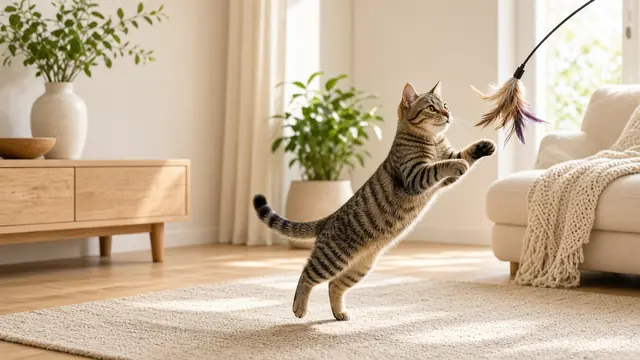
Cats often prefer short hunting-style play with a wand toy, followed by a snack, which loosely mirrors hunt-then-eat-then-groom-then-sleep. Two or three five-minute sessions can be more realistic than an hour-long attempt. Rest should be possible in more than one location, including a high perch and a hiding box. A complete day plan is in building a daily routine for indoor cats.
Health partnership
Indoor cats still need veterinary care. Vaccines, parasite prevention, dental evaluation, and discussions about spay or neuter timing belong in a clinic. Annual or more frequent exams matter because cats compensate until they cannot. Bring notes about litter use, appetite, and water, as described in preparing for a veterinary visit.
Keep a carrier out as furniture so it does not only predict car rides. A towel-lined carrier that the cat already naps in will make the next appointment less of a chase.
Common mistakes
- Assuming an indoor cat cannot be bored.
- Using one litter box for several cats in a noisy laundry room.
- Skipping veterinary visits because the cat “never goes outside.”
- Punishing accidents instead of asking whether the box, pain, or conflict is the issue.
- Adding a second cat without a slow introduction plan.
A practical starter checklist
- Set up litter, water, food, a scratching post, and two resting places before you worry about décor.
- Scoop boxes daily and watch for changes.
- Schedule play before typical “zoomie” hours if the cat has them.
- Book veterinary care and practice carrier time.
- Walk the rooms for hazards, including lilies, strings, and open dryer doors. See household hazards.
Conclusion
Indoor cat care is environmental design plus attention. Provide resources, keep them clean, offer short hunts, protect rest, and treat litter and appetite changes as messages rather than mysteries. A veterinarian who sees the cat regularly can catch problems that a quiet household might miss. The goal is not a decorative cat. The goal is an animal who can eat, eliminate, scratch, play, and retreat without having to fight the furniture or the schedule for permission.
Indoor does not mean unchanging
An indoor cat’s world still changes: renovations, new work hours, a dog visiting, a window that now faces construction. Temporary stress can show up as extra grooming, extra meowing, or a missed meal. Increase hiding spots and keep feeding and litter locations stable during those weeks. If stress behaviors last or the cat stops using the box, involve a veterinarian so pain is not missed.
Identification still matters for indoor cats. Collars with a tag, or a microchip with current records, help if a guest leaves a door open. Many “indoor-only” cats have made at least one unplanned trip outside.
Sources and further reading
- Cat care - The Humane Society of the United States
- Cat owner resources - American Association of Feline Practitioners
- Pets and animals: pet care resources - American Veterinary Medical Association
- Healthy pets, healthy people - Centers for Disease Control and Prevention
Platform interfaces and policies change. Treat official documentation as the current reference, and read our editorial policy and disclaimer.