Fresh Water and Feeding Routines: Developing Consistent Everyday Habits
Food and water are the most repeated pet-care tasks in a home, which makes them easy to do on autopilot and easy to miss when they change. A bowl that is always present can hide a cat who has stopped eating. A shared water dish can hide a dog who is drinking far more than last month. Consistent everyday habits are less about precision theater and more about noticing.
This guide covers household systems for keeping water fresh and meals predictable. It does not prescribe calories, cup amounts, or medical diets. If your veterinarian has given feeding instructions for a condition, those instructions outrank anything written here.
Water that is easy to drink and easy to check
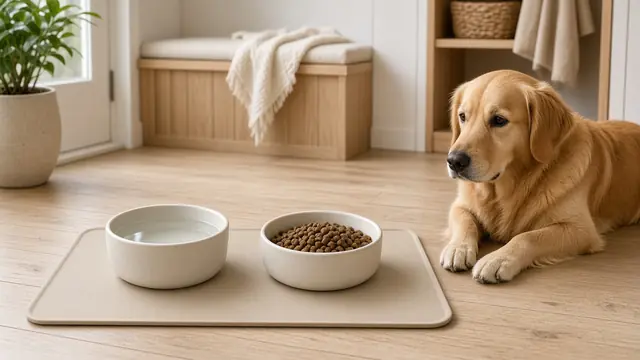
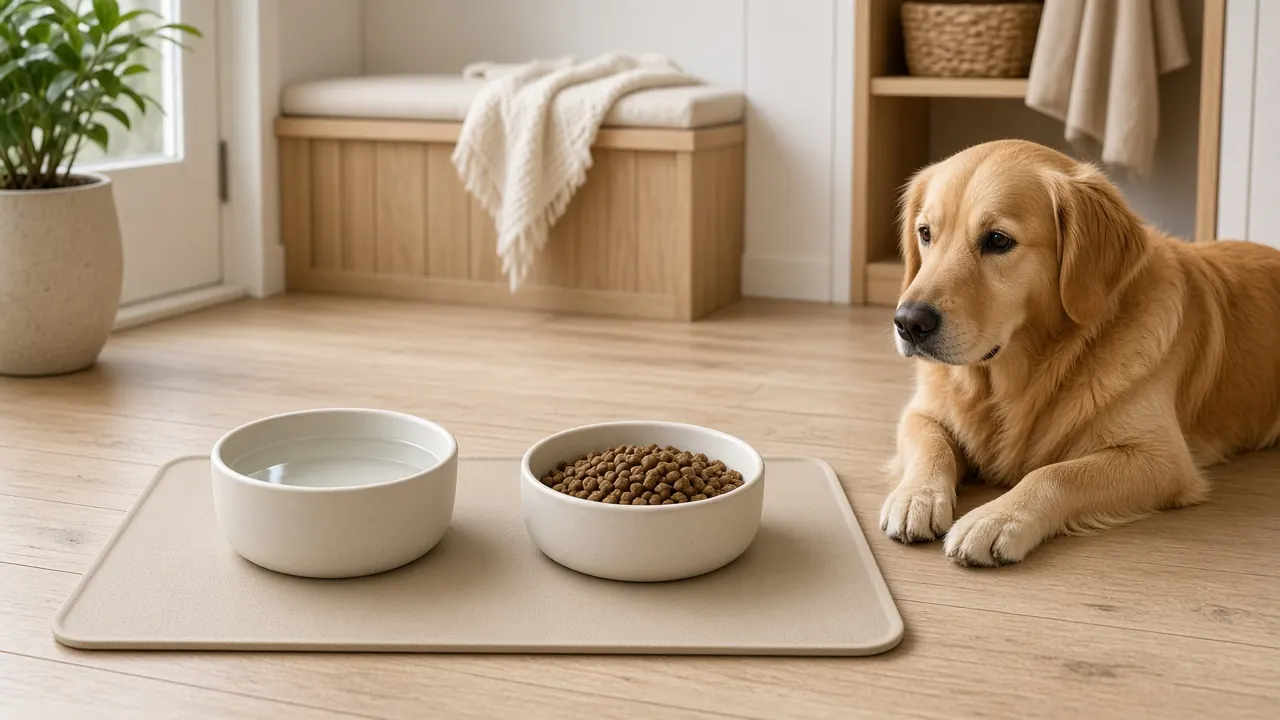
Offer clean water at all times unless a veterinarian has restricted it for a specific reason. Wash bowls regularly with soap and rinse well; biofilm on plastic or metal is common if bowls sit for days. Some pets prefer ceramic or steel to plastic. Some cats prefer a wide bowl that does not squeeze their whiskers, or a fountain that keeps water moving. Preference is individual. What is not optional is replacing stale water and noticing a sudden jump in thirst.
Place water away from litter boxes and, when possible, in more than one location in a multi-level home. Outdoor pets and hot-weather days need extra attention; never rely on a bowl that can tip or freeze without a backup plan. See seasonal pet care for heat and cold.
Meals with a time and a person
Choose meal times the household can repeat. Many adult dogs do well with morning and evening meals. Many adult cats do well with measured meals rather than around-the-clock grazing, though some medical plans differ. Write the times down—on the fridge or in the planner—so a roommate does not feed twice.
Measure with the same scoop each time so “a cup” means the same thing on Thursday as it did on Monday. If you add household leftovers, keep them rare, pet-safe, and accounted for. Grapes, raisins, xylitol, onions, and chocolate are examples of foods the ASPCA warns pet owners not to share; when in doubt, do not improvise from the table. More hazard context is in household hazards.
Watching appetite without hovering
Pick up uneaten perishable food after a reasonable window so you know whether the meal was refused. Dry food left out all day can make that harder. A pet who skips a meal once after a stressful event is different from a cat who has not eaten since yesterday. Cats that do not eat can develop serious complications; call a veterinarian rather than waiting to see whether a new flavor solves it.
Keep a simple log for a week if something feels off: time, what was offered, what was eaten, vomiting, and stool quality. That log is more useful at a clinic than a vague sense that “eating has been weird.”
Multi-pet logistics
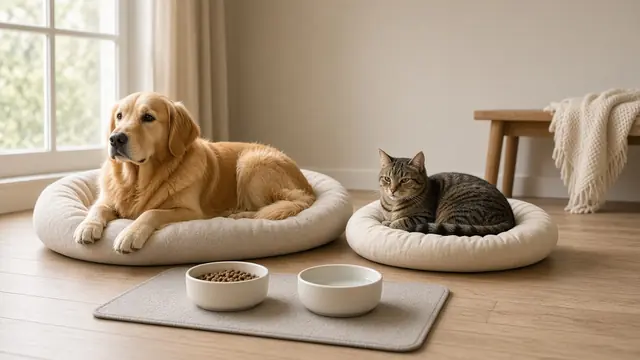
Feed pets separately if one steals from another. A stand, a baby gate, or different rooms can prevent the slower eater from going without. In cat households, a confident cat sitting near a bowl can be enough to suppress another cat’s appetite even if no fight occurs.
Dogs who gulp may do better with a slow-feeding bowl if your veterinarian has no objection, and they should rest after large meals rather than sprinting, especially deep-chested dogs. Ask your clinic about their current guidance on activity around mealtimes rather than copying a rumor.
Reading the bag without obeying it blindly
Feeding charts are estimates. Combine them with body-condition checks and veterinary advice. If you are confused by guaranteed analysis or life-stage statements, read understanding pet food labels and bring a photo of the panel to your next appointment.
Common mistakes
- Leaving water until it is dusty or green because “they didn’t finish it.”
- Everyone in the house tossing extras “just this once.”
- Switching foods abruptly and then blaming the pet for digestive upset.
- Using appetite as the only health metric and ignoring thirst, weight, or litter changes.
- Assuming a skinny puppy and an overweight senior should follow the same chart line.
A practical daily checklist
- Refresh water and glance at how much disappeared.
- Feed at the written times with the same measuring tool.
- Note refusals, vomiting, or scavenging.
- Wash bowls on a repeating schedule.
- Store bags and treats where pets cannot self-serve.
Conclusion
Fresh water and predictable meals are quiet skills: clean bowls, written times, measured portions you can discuss with a veterinarian, and enough attention to notice when the pattern breaks. The routine should fit your kitchen and your animals, not an idealized infographic. When appetite or thirst changes, treat that change as a message and let a clinician help you interpret it.
Travel days and schedule disruptions
On travel or holiday mornings, keep the same food and roughly the same spacing between meals even if the clock shifts. Bring water from home if your pet is sensitive to sudden changes, or offer bottled water if that is what you can keep clean on the road. Do not “skip breakfast so they are hungry later” unless a veterinarian told you to fast the animal for a procedure.
Growth, pregnancy, nursing, and recovery from illness all change energy needs. Those are times to book a feeding conversation with the clinic rather than scaling a bag chart by guesswork.
Sources and further reading
- Pets and animals: pet care resources - American Veterinary Medical Association
- Pet food labels - general - U.S. Food and Drug Administration
- Healthy pets, healthy people - Centers for Disease Control and Prevention
Platform interfaces and policies change. Treat official documentation as the current reference, and read our editorial policy and disclaimer.